Archive

July 2025

Browsing

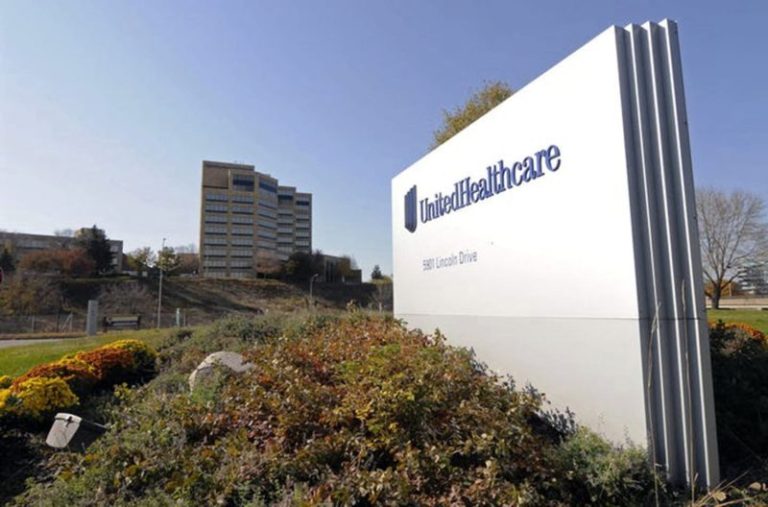
UnitedHealth Group revealed Thursday it is facing a Justice Department investigation over its Medicare billing practices.

It comes after the Wall Street Journal reported in May that the Department of Justice is conducting a criminal investigation into the health-care giant over possible Medicare fraud. In response at the time, the company said it stands “by the integrity of our Medicare Advantage program.”

In July, the Journal also reported that the DOJ interviewed several doctors about UnitedHealth’s practices and whether they felt pressured to submit claims for certain conditions that bolstered payments from the Medicare Advantage program to the company.

That marked the second time this year that the insurer’s Medicare Advantage business has come under federal scrutiny. The Journal also reported in February that the DOJ is conducting a civil investigation into whether the company inflated diagnoses to trigger extra payments to its Medicare Advantage plans.

But in March, UnitedHealth moved a step closer to ending a yearslong legal battle with the DOJ that began with a whistleblower who alleged the company illegally withheld at least $2 billion through the Medicare Advantage program. A special master assigned to the case by the judge issued a recommendation in favor of UnitedHealth, saying the DOJ lacked evidence.

UnitedHealthcare’s Medicare and retirement segment, which includes the Medicare Advantage business, is UnitedHealth Group’s largest revenue driver, raking in $139 billion in sales last year.

The update in the probe comes after a tumultuous last year for UnitedHealthcare, the nation’s largest and most powerful private health insurer. Shares of UnitedHealthcare’s parent company, UnitedHealth Group, are down more than 42% for the year after it suspended its 2025 forecast amid skyrocketing medical costs, announced the surprise exit of former CEO Andrew Witty and grappled with the reported probe into its Medicare Advantage business.

The company’s 2024 wasn’t any easier, marked by a historic cyberattack and the torrent of public blowback after the murder of UnitedHealthcare’s CEO, Brian Thompson.

This post appeared first on NBC NEWS

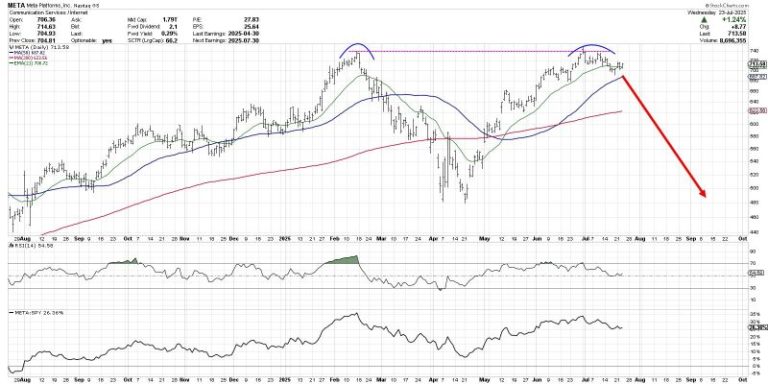
The chart of Meta Platforms, Inc. (META) has completed a roundtrip from the February high around $740 to the April low at $480 and all the way back again.  Over the last couple weeks, META has now pulled back from its retest of all-time highs, leaving investors to wonder what may come next.

Is this the beginning of a new downtrend phase for META?  Or just a brief pullback before a new uptrend phase propels META to new all-time highs?

Today we’ll look at two potential scenarios, including the double top pattern and the cup and handle pattern, and share which technical indicators and approaches could help us determine which path plays out into August.

The double top scenario basically means that the late July retest of the previous all-time high was the end of the recent uptrend phase.  The double top pattern is literally when a major resistance level is set and then retested.  The implication is that a lack of willing buyers means the uptrend is exhausted, and there is nowhere to go but down.

While the 21-day exponential moving average is currently in play for META, I would say that a break below the 50-day moving average could confirm this as the correct scenario.  If that smoothing mechanism does not hold, then the price action would imply less of a pullback and more like the beginning of a real distribution phase.

What is META pulls back but then resumes an uptrend phase, leading META to another new all-time high?  That would result in a confirmed cup and handle pattern, created by a large rounded bottoming pattern followed by a brief pullback.  The key to this pattern is the “rim” of the cup, which sits right at $740 for META.

Given the pullback META has demonstrated so far in July, I would say that a break above the $740 level would basically confirm a bullish cup and handle pattern.  That would suggest much more upside potential for META, as the stock would literally go into previously uncharted territory.

So how can we determine which scenario is more likely to play out?  This is where we need to incorporate more technical indicators into the discussion, as a way to further validate and confirm our investment thesis.

Just to review, I think a break above $740 would confirm a bullish cup and handle pattern.  I would also say that a break below the $680 level, which would represent a move below the 50-day moving average as well as the June swing lows, would basically confirm a bearish double top pattern.

We can also use the Relative Strength Index (RSI) to help determine whether META remains in a bullish trend phase.  During bull phases, the RSI rarely gets below 40, because buyers usually step in to “buy the dips” and keep the momentum fairly constructive.  So if the price would break down, and the RSI would not hold that crucial 40 level, that could mean a bearish outlook is warranted.

Finally, we can use volume-based indicators to assess whether moves in the price are supported by stronger volume readings.  Here I’ve included the Accumulation/Distribution Line, which tracks the trend in daily volume readings over time.  We can see that the high in July resulted in a divergence, as the A/D line was trending lower.  If the A/D line would break below its June and July lows, marked by a dashed red line, that would represent a bearish volume reading for META.

Technical analysis is less about predicting the future, and more about determining the most probable scenarios based on our analysis of trend, momentum, and volume.  I hope this discussion shows how the outlook for META can be easily determined and tracked using the best practices of technical analysis!

RR#6,

Dave

PS- Ready to upgrade your investment process?  Check out my free behavioral investing course!

David Keller, CMT

President and Chief Strategist

Sierra Alpha Research LLC

marketmisbehavior.com

https://www.youtube.com/c/MarketMisbehavior

Disclaimer: This blog is for educational purposes only and should not be construed as financial advice.  The ideas and strategies should never be used without first assessing your own personal and financial situation, or without consulting a financial professional.  

The author does not have a position in mentioned securities at the time of publication.    Any opinions expressed herein are solely those of the author and do not in any way represent the views or opinions of any other person or entity.


Walker Lane Resources Ltd. (TSX – V: WLR) (F r ankfurt:6YL ) (‘WLR’ o r t h e ‘ Comp a ny’) is pleased to announce, further to its news releases of June 10, 2025, that it has received TSX Venture Exchange approval to close the non-brokered private placement (the ‘ Private Placement ‘). On July 23, 2025, the Company issued 2,508,335 non-flow through Units (each a ‘ NFT Unit ‘) at a price of $0.12 per NFT Unit, for gross proceeds of $301,000, and 607,143 flow-through Units (each a ‘ FT Unit ‘) at a price of $0.14 per FT Unit, for gross proceeds of $85,000, for aggregate gross proceeds of $386,000. Each NFT Unit is composed of one common share and one common share purchase warrant (each whole warrant, a ‘ NFT Warrant ‘). Each FT Unit is composed of one common share and one common share purchase warrant (each whole warrant, a ‘ FT Warrant ‘), each NFT Warrant and each FT Warrant are exercisable for two (2) years at $0.16 per common share.


An insider of the Company subscribed for an aggregate of 1,178,571 Units, composed of 750,000 NFT Units and 428,571 FT Units. Such participation was considered to be a ‘related party transaction’ as this term is defined in Multilateral Instrument 61-101 – Protection of Minority Securityholders in Special Transactions (‘ MI 61-101 ‘). The Company relied on the exemption from valuation requirement and minority approval pursuant to subsection 5.5(a) and 5.7(a) of MI 61-101, respectively, for the insider participation in the Offering, as the securities do not represent more than 25% of the Company’s market capitalization, as determined in accordance with MI 61-101.


The Company intends to use the proceeds from the sale of FT Units to incur ‘Canadian exploration expenses’ and ‘flow through mining expenditures’ as these terms are defined in the Income Tax Act (Canada) and, in particular, the Company’s exploration program at its Amy and Silver Hart Properties in the Rancheria Silver District, (Yukon/British Columbia), and potentially limited activities at Logjam (Yukon). Such proceeds will be renounced to the subscribers with an effective date not later than December 31, 2025, in the aggregate amount of not less than the total amount of gross proceeds raised from the issue of FT Units. The Company intends to use the net proceeds from the sale of NFT units for its properties in Nevada including Tule Canyon, Cambridge and Silver Mountain and for general working capital. The FT and NFT Units issued under the financing are subject to a four-month hold.


   A     bout Walker Lane Resources Ltd.   


 Walker Lane Resources Ltd. is a growth-stage exploration company focused on the exploration of high-grade gold, silver and polymetallic deposits in the Walker Lane Gold Trend District in Nevada and the Rancheria Silver District in Yukon/B.C. and other property assets in Yukon. The Company intends to initiate exploration programs to advance the drill-ready Tule Canyon (Walker Lane, Nevada) and Amy (Rancheria Silver, B.C.) projects to resource definition stage through proposed drilling campaigns that the Company desires to undertake in the near future.


The company intends to conduct early stage exploration efforts on its Cambridge and Silver Mountain Properties in the Walker Lane Area, Nevada, evaluate its Silver Hart/Blue Heaven property for medium term development, and advancing exploration on its Logjam property in Yukon.


On behalf of the Board:
   ‘Kevin Brewer’    
Kevin Brewer, President, CEO and Director
Walker Lane Resources Ltd.

For Further Information and Investor Inquiries:  


Kevin Brewer, P. Geo., MBA, B.Sc. (Hons), Dip. Mine Eng.
President, CEO and Director
Tel: (709) 327 8013
  kbrewer80@hotmail.com   
 
Telephone (604) 602-0001   
  www.walkerlaneresources.com  
 
Suite 1600-409 Granville St.,
Vancouver, BC, V6C 1T2


   Ne     i     t     h     er     t     h     e     TS     X     Ven     t     ure     Exc     h     a     n     ge     n     o     r     its     Reg     u     l     a     ti     o     n     S     ervices     Prov     i     der     (as     t     h     at     term     is     de     fi     ned     in     t     h     e p     o     li     c     ies     of     the     T     SX     Vent     u     re     Excha     n     ge)     accepts     re     s     ponsi     b     ility     f     or     t     he     ade     q     u     acy     or     accuracy     of     this     release.   


  Cautionary and Forward-Looking Statements  


This press release and related figures, contain certain forward-looking information and forward-looking statements as defined in applicable securities laws (collectively referred to as forward-looking statements). These statements relate to future events or our future performance. All statements other than statements of historical fact are forward-looking statements. The use of any of the words ‘anticipate’, ‘plans’, ‘continue’, ‘estimate’, ‘expect’, ‘may’, ‘will’, ‘project’, ‘predict’, ‘potential’, ‘should’, ‘believe’ ‘targeted’, ‘can’, ‘anticipates’, ‘intends’, ‘likely’, ‘should’, ‘could’ or grammatical variations thereof and similar expressions is intended to identify forward-looking statements. These statements involve known and unknown risks, uncertainties and other factors that may cause actual results or events to differ materially from those anticipated in such forward-looking statements. These statements speak only as of the date of this presentation. These forward-looking statements include, but are not limited to, statements concerning: our strategy and priorities including certain statements included in this presentation are forward-looking statements within the meaning of Canadian securities laws, including statements regarding the Tule Canyon, Cambridge, Silver Mountain, and Shamrock Properties in Nevada (USA), and its Silverknife and Amy properties in British Columbia, the Silver Hart, Blue Heaven and Logjam properties in Yukon all of which now comprise the mineral property assets of WLR. WLR has assumed other assets of CMC Metals Ltd. including common share holdings of North Bay Resources Inc. and all conditions and agreements pertaining to the sale of the Bishop mill gold processing facility and remains subject to the condition of the option of the Silverknife Property with Coeur Silvertip Holdings Ltd. These forward-looking statements reflect the Company’s current beliefs and are based on information currently available to the Company and assumptions the Company believes are reasonable. The Company has made various assumptions, including, among others, that: the historical information related to the Company’s properties is reliable; the Company’s operations are not disrupted or delayed by unusual geological or technical problems; the Company has the ability to explore the Company’s properties; the Company will be able to raise any necessary additional capital on reasonable terms to execute its business plan; the Company’s current corporate activities will proceed as expected; general business and economic conditions will not change in a material adverse manner; and budgeted costs and expenditures are and will continue to be accurate. Actual results and developments may differ materially from results and developments discussed in the forward looking statements as they are subject to a number of significant risks and uncertainties, including: public health threats; fluctuations in metals prices, price of consumed commodities and currency markets; future profitability of mining operations; access to personnel; results of exploration and development activities, accuracy of technical information; risks related to ownership of properties; risks related to mining operations; risks related to mineral resource figures being estimates based on interpretations and assumptions which may result in less mineral production under actual conditions than is currently anticipated; the interpretation of drilling results and other geological data; receipt, maintenance and security of permits and mineral property titles; environmental and other regulatory risks; changes in operating expenses; changes in general market and industry conditions; changes in legal or regulatory requirements; other risk factors set out in this presentation; and other risk factors set out in the Company’s public disclosure documents. Although the Company has attempted to identify significant risks and uncertainties that could cause actual results to differ materially, there may be other risks that cause results not to be as anticipated, estimated or intended. Certain of these risks and uncertainties are beyond the Company’s control. Consequently, all of the forward-looking statements are qualified by these cautionary statements, and there can be no assurances that the actual results or developments will be realized or, even if substantially realized, that they will have the expected consequences or benefits to, or effect on, the Company. The information contained in this presentation is derived from management of the Company and otherwise from publicly available information and does not purport to contain all of the information that an investor may desire to have in evaluating the Company. The information has not been independently verified, may prove to be imprecise, and is subject to material updating, revision and further amendment. While management is not aware of any misstatements regarding any industry data presented herein, no representation or warranty, express or implied, is made or given by or on behalf of the Company as to the accuracy, completeness or fairness of the information or opinions contained in this presentation and no responsibility or liability is accepted by any person for such information or opinions. The forward-looking statements and information in this presentation speak only as of the date of this presentation and the Company assumes no obligation to update or revise such information to reflect new events or circumstances, except as may be required by applicable law. Although the Company believes that the expectations reflected in the forward-looking statements and information are reasonable, there can be no assurance that such expectations will prove to be correct. Because of the risks, uncertainties and assumptions contained herein, prospective investors should not read forward-looking information as guarantees of future performance or results and should not place undue reliance on forward looking information. Nothing in this presentation is, or should be relied upon as, a promise or representation as to the future. To the extent any forward-looking statement in this presentation constitutes ‘future-oriented financial information’ or ‘financial outlooks’ within the meaning of applicable Canadian securities laws, such information is being provided to demonstrate the anticipated market penetration and the reader is cautioned that this information may not be appropriate for any other purpose and the reader should not place undue reliance on such future-oriented financial information and financial outlooks. Future-oriented financial information and financial outlooks, as with forward-looking statements generally, are, without limitation, based on the assumptions and subject to the risks set out above. The Company’s actual financial position and results of operations may differ materially from management’s current expectations and, as a result, the Company’s revenue and expenses. The Company’s financial projections were not prepared with a view toward compliance with published guidelines of International Financial Reporting Standards and have not been examined, reviewed or compiled by the Company’s accountants or auditors. The Company’s financial projections represent management’s estimates as of the dates indicated thereon.


News Provided by GlobeNewswire via QuoteMedia

This post appeared first on investingnews.com

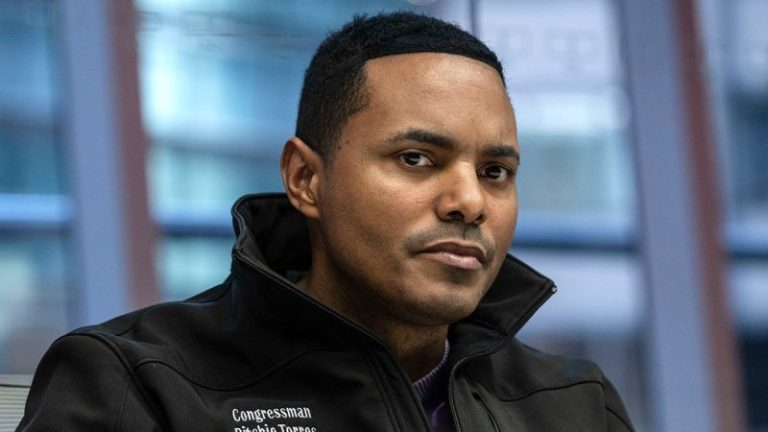
Rep. Ritchie Torres, D-N.Y., an outspoken opponent of antisemitism, said Wednesday that those who refuse to speak out against the heinous acts Hamas perpetrated in Israel on Oct. 7, 2023 ‘have no business’ claiming to be humanitarians.

‘If you refuse to condemn Hamas for the murder, maiming, mutilation, rape, torture, and abduction of thousands of Jews and Israelis on October 7, then you have no business calling yourself a humanitarian,’ Torres wrote on X. 

‘A humanitarianism that devalues Jewish life is no humanitarianism at all, for it has been hollowed out by antisemitism,’ he added.

The congressman has been a strong voice of support for Israel.

‘The singular stumbling block to ending the war is the terrorist organization that barbarically began it: Hamas. Scapegoating Israel is so second nature to the international community that Hamas’ role in precipitating and perpetuating the war has been all but forgotten,’ Torres wrote on X earlier this month.

In another post on X this month he opined that ‘Antisemitism is the deadliest disease ever to afflict the human heart.’

In a post last month, he asserted, ‘If Israel is the sole country in the Middle East—indeed the world—for which you reserve the label ‘apartheid’—then your use of the term is probably propagandistic rather than principled and your purpose is not constructive criticism but the destructive delegitimation of Israel as a Jewish State.’

Torres has served in the U.S. House of Representatives since early 2021.

This post appeared first on FOX NEWS

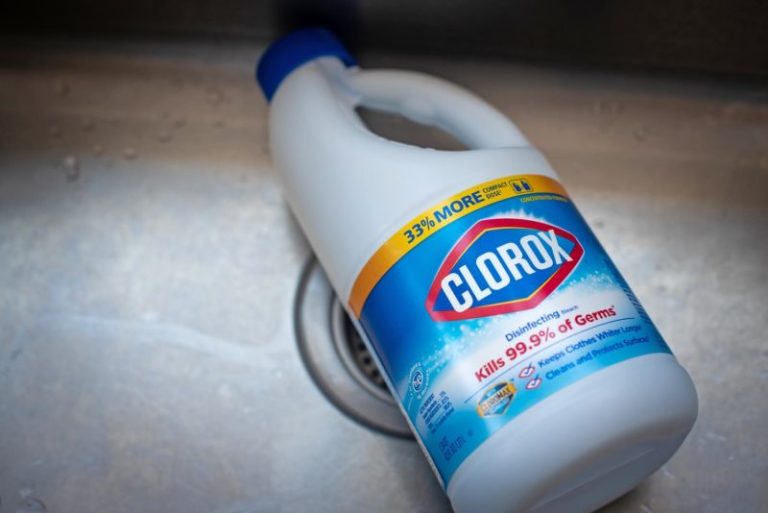
WASHINGTON — Bleach maker Clorox said Tuesday that it has sued information technology provider Cognizant over a devastating 2023 cyberattack, alleging that the hackers pulled off the intrusion simply by asking the tech company’s staff for employees’ passwords.

Clorox was one of several major companies hit in August 2023 by the hacking group dubbed Scattered Spider, which specializes in tricking IT help desks into handing over credentials and then using that access to lock them up for ransom. The group is often described as unusually sophisticated and persistent, but in a case filed in California state court on Tuesday, Clorox said one of Scattered Spider’s hackers was able to repeatedly steal employees’ passwords simply by asking for them.

“Cognizant was not duped by any elaborate ploy or sophisticated hacking techniques,” according to a copy of the lawsuit reviewed by Reuters. “The cybercriminal just called the Cognizant Service Desk, asked for credentials to access Clorox’s network, and Cognizant handed the credentials right over.”

Cognizant did not immediately return a message seeking comment on the suit, which was not immediately visible on the public docket of the Superior Court of Alameda County. Clorox provided Reuters with a receipt for the lawsuit from the court.

Three partial transcripts included in the lawsuit allegedly show conversations between the hacker and Cognizant support staff in which the intruder asks to have passwords reset and the support staff complies without verifying who they are talking to, for example by quizzing them on their employee identification number or their manager’s name.

“I don’t have a password, so I can’t connect,” the hacker says in one call. The agent replies, “Oh, ok. Ok. So let me provide the password to you ok?”

The 2023 hack caused $380 million in damages, Clorox said in the suit, about $50 million of which were tied to remedial costs and the rest of which were attributable to Clorox’s inability to ship products to retailers in the wake of the hack.

Clorox said the clean-up was hampered by other failures by Cognizant’s staff, including failure to de-activate certain accounts or properly restore data.

This post appeared first on NBC NEWS

The stock market feels like it’s holding its breath ahead of Big Tech earnings. The first two days of the trading week were mostly quiet, but Tuesday gave us a few nuggets worth chewing on.

The S&P 500 ($SPX) squeaked out another record close, up by a modest +0.06%. It’s barely a blip, but it keeps the uptrend intact.

Tech momentum slowed down a tad, but we didn’t see a wave of selling. It was more like a little profit-taking after a strong run. No reason to hit the panic button just yet.


StockCharts Tip: Head to the Market Summary page and take a glance at the Market Factors panel. On Tuesday, Large-Cap Growth and Large-Cap Momentum were the only factors in the red (see image below).


FIGURE 1. MARKET FACTORS PANEL IN THE MARKET SUMMARY PAGE. Here you see the one-day performance metrics of the factors. You can change the timeframe using the dropdown menu at the top of the page. Image source: StockCharts.com. For educational purposes.

In the US Sectors panel in the Market Summary page, Technology was the lone S&P 500 sector that finished lower. Tuesday’s action can be seen in the StockCharts MarketCarpet of the S&P 500, based on a one-day performance.

FIGURE 2. MARKETCARPET FOR THE S&P 500. The Technology sector took a bit of a hit on Tuesday, but other sectors saw gains. Image source: StockCharts.com. For educational purposes.

The big names — NVIDIA (NVDA), Microsoft Corp. (MSFT), Amazon.com (AMZN), Meta Platforms (META), and Broadcom (AVGO) — were all in the laggard camp. This pause in tech stocks comes right before a wave of Big Tech earnings.

Some of the big tech companies reporting earnings this week are Alphabet, Inc. (GOOGL), Tesla, Inc. (TSLA), and International Business Machines (IBM). All three report on Wednesday after the close. If GOOGL and TSLA come in hot with solid numbers and upbeat guidance, the S&P 500 and Nasdaq Composite ($COMPQ) could catch a tailwind. (Fun fact: both stocks closed higher on Tuesday.)

Despite Tuesday’s tech wobble, major support levels are holding. The Nasdaq Composite remains comfortably above its 20-day exponential moving average (EMA), and breadth is improving (see chart below).

FIGURE 3. DAILY CHART OF THE NASDAQ COMPOSITE. The index is above its 20-day exponential moving average, and market breadth is improving. Chart source: StockCharts.com. For educational purposes.

Small Caps Still in the Game

We’re also seeing small-cap stocks rising. When small-caps participate in the market’s upside move, it’s an indication of a healthy stock market. Healthcare stocks represent a significant portion of the small-cap indexes, which explains why Health Care was the top-performing sector on Tuesday. 

Another area that stole the spotlight was homebuilders. The SPDR S&P Homebuilders ETF (XHB) broke above its 200-day simple moving average (SMA), a positive sign for the struggling industry group (see chart below). Its Relative Strength Index (RSI) indicates that momentum is relatively strong.

FIGURE 4. SPDR S&P HOMEBUILDERS ETF (XHB). The ETF broke above its 200-day simple moving average, and momentum is relatively strong. XHB has underperformed SPY over the last year. Chart source: StockCharts.com. For educational purposes.

Over the last year, XHB has lagged the SPDR S&P 500 ETF (SPY) by roughly 18%. Strong earnings from DR Horton, Inc. (DHI) and PulteGroup, Inc. (PHM), however, have given the group a welcome boost, even with a soft housing backdrop. We’ll get the June Existing Home Sales data on Wednesday. A stronger-than-expected report could add fuel to XHB’s rally.


StockCharts Tip: The XHB chart above is part of the  Market Summary ChartPack, which is free for StockCharts subscribers. Install it, and you’ll have a ready-to-use list of charts for days like this.


Also worth a peek is the U.S. Dow Jones Home Construction Index ($DJUSHB), which topped the Dow Industries list (check the US Industries panel in Market Summary and hit the Dow Industries tab).

Gold and Silver Nudge Higher

While tech cooled and home builders heated up, precious metals prices climbed higher. Gold ($GOLD) rose 0.92% and silver ($SILVER) gained 0.94%. Gold sits just under its all-time high, and silver is back to levels we haven’t seen since 2011.

The Big Picture: Still a Healthy Market Environment

None of Tuesday’s actions suggests a crack in the market’s growth story. We are in the thick of earnings season, and that always brings uncertainty and volatility. Expectations are high for Big Tech, especially in light of a weaker dollar. Stay patient, watch the price action, and let the charts guide your next move.


Disclaimer: This blog is for educational purposes only and should not be construed as financial advice. The ideas and strategies should never be used without first assessing your own personal and financial situation, or without consulting a financial professional.


Nevgold Corp. (‘ NevGold ‘ or the ‘ Company ‘) ( TSXV:NAU,OTC:NAUFF) (OTCQX:NAUFF) (Frankfurt:5E50 ) is pleased to announce extremely positive antimony (‘Antimony’, ‘Sb’) metallurgical testwork results at its oxide gold-antimony Limousine Butte Project (the ‘Project’, ‘Limo Butte’) in Nevada, one of the world’s prolific mining jurisdictions.


The positive antimony metallurgical recovery results, that have minimal to no impact on gold recoveries, are a key development in unlocking the substantial gold-antimony potential of the Project, highlighting its promising prospects for further exploration and development.


   Key Highlights   


  • Extremely positive antimony metallurgical testwork results from drill core and surface oxide gold-antimony samples including (Table 2):
  •  

  •  
    • Acid Leaching indicating antimony extraction recovery between 75% and 92%
    •  

    • Sulfidized Flotation indicating antimony recovery between 61% and 78%
    •  

    • Core samples were from both Resurrection Ridge and Cadillac Valley, the two most advanced gold-antimony target areas at the Project
    •  

  •  

  • Acid Leaching and Sulfidized Flotation will be advanced into the next stage of metallurgical testing and trade-off engineering studies  
  •  

  •   Two plus 20-kilogram composite samples of both drill core and surface samples were used for testwork outlining a representative sample of the oxide gold-antimony mineralization at the Project
  •  

  • Antimony recovery has minimal to no impact on the gold recovery in a potential combined gold-antimony mine scenario
  •  

  •   Drill rig will be mobilized in the coming weeks for the next phase of drilling focused on advancing Limo Butte to a gold-antimony Mineral Resource Estimate (‘MRE’) by Q4-2025   
  •  

  NevGold CEO, Brandon Bonifacio, comments:   ‘The results from the first phase of antimony metallurgical test work at Limo Butte have     exceeded our expectations with up to 92% antimony recovery     . Tests from large bulk samples of both core drilling and surface samples demonstrate that    positive antimony recoveries can be attained through different metallurgical process flowsheets, and that the oxide gold is also recoverable.    The information generated from this program has helped us better understand the metallurgical aspects of the antimony mineralization at the Project, and it will guide the design of future metallurgical testwork programs. It has been an extremely positive, critical development to define    numerous options to positively recover both the gold and antimony from the near-surface oxide mineralization    . We continue to execute in de-risking and advancing the oxide gold-antimony potential, and this is another key milestone achieved in unlocking the substantial value of the Limo Butte Project.’  


   Limo Butte Planned 2025 Activities / Status Update   
NevGold will continue its active exploration program at Limo Butte including:


  • Evaluate the historical geological database with focus on gold and antimony (completed) ;
  •  

  • Evaluate and re-analyze historical drilling with focus on gold and antimony (in progress, continues) ;
  •  

  • Metallurgical testwork (    1     st     Phase Completed    ) ;
  •  

  • 2025 drilling of gold-antimony targets (drill rig will mobilize over the coming weeks) .
  •  


  Figure 1 – Limousine Butte Gold-Antimony Project with location of core and surface samples used in the antimony metallurgical testwork program.     To view image please click here    


  Figure 2 – Surface metallurgical grab sample from Resurrection Ridge: silicified and oxidized carbonate breccia with visible stibiconite (antimony) as elongated white crystals up to 6 cm long.     To view image please click here    


   Summary of Antimony Metallurgical Testwork Program   
The gold-antimony zones at Limousine Butte are typically associated with silicification and the formation of jasperoid breccias within the Pilot Shale unit, which is the primary host rock for Carlin-type gold-antimony mineralization in the area.


Two plus 20-kilogram composite samples were sent to the Kappes, Cassiday & Associates laboratory (KCA) in Reno, Nevada, for initial antimony recovery metallurgical test work. The core sample was composed of material from the Resurrection Ridge and Cadilac Valley target areas (Figure 1) ranging from 64 meters to 377 meters deep. The surface outcrop sample was taken from several outcrops in the historically mined Golden Butte pit, and the nearby Nevada Antimony Mine prospect (Figure 1). Both the surface and core samples contained antimony oxide with minor antimony sulfide minerals. Head assays for the composites are summarized in Table 1.


  KCA Sample #     Description     Au g/t     Ag g/t     Sb %  
101178 B Limo Core 0.892 2.64 > 1%
101179 B Limo Surface 0.27 1.13 > 4%


  Table 1 – Summary of test material characteristics from Limo Butte.  


Initial metallurgical testwork on the antimony consisted of various proposed metallurgical processes including gravity, flotation, and leaching methods. The Leach testing consisted of both basic and acid leaches, with the best results produced from acid leaching indicating an overall antimony extraction recovery of between 75% and 92%. The Flotation testing consisted of oxide flotation, sulfide flotation and sulfidized flotation, with the best results produced from the sulfidized flotation indicating an overall antimony recovery of between 61% and 78%. The Gravity testing results indicate an overall antimony recovery of between 25% and 32%. See below in Table 2.  


   Metallurgical Testwork Results – Summary   


  KCA Sample #     Description     Test Type      

Addition  

  Calc. Head,  
% Sb  
  Sb Extracted  
%  
   Leach   
101178 B Limo Core Alkali NaOH 3.56 38
101178 B Limo Core   Acid     H2SO4/HCL     4.67     92  
101179 B Limo Surface Alkali NaOH 7.17 8
101179 B Limo Surface   Acid     H2SO4/HCL     8.41     75  
   Flotation   
101178 B Limo Core Oxide RO CuSO4*5H2O 3.76 33
101178 B Limo Core Sulfide RO Pb(NO3)2 3.77 35
  101178 B     Limo Core     Sulfur Roast + Sulfide RO     Pb(NO3)2     4.06     61  
101179 B Limo Surface Oxide RO CuSO4*5H2O 7.71 12
101179 B Limo Surface Sulfide RO Pb(NO3)2 7.87 3
  101179 B     Limo Surface     Sulfur Roast + Sulfide RO     Pb(NO3)2     8.57     78  
   Gravity   
101178 B Limo Core Gravity   3.01 25
101179 B Limo Surface Gravity   8.15 32


  Table 2 – Summary of antimony metallurgical testwork results from Limo Butte.  


  Figure 3 – Limousine Butte Project with historical antimony in rock chips and soils. The total strike length between Resurrection Ridge and Cadillac Valley is +5km.     To view image please click here    


   US Executive Order – Announced March 20, 2025   
The Company is pleased to report the recent, sweeping    Executive Order     to strengthen American mineral production and reduce U.S. reliance on foreign nations for its mineral supply . Antimony (Sb) has been identified as an important ‘Critical Mineral’ in the United States essential for national security, clean energy, and technology applications, yet no domestically mined supply currently exists.  


The Executive Order invokes the use of the Defense Production Act as part of a broad United States (‘US’) Government effort to expand domestic minerals production on national security grounds. As it relates to project permitting, the Order states that it will ‘identify priority projects that can be immediately approved or for which permits can be immediately issued, and take all necessary or appropriate actions…to expedite and issue the relevant permits or approvals.’ Furthermore, the Order includes provisions to accelerate access to private and public capital for domestic projects, including the creation of a ‘dedicated mineral and mineral production fund for domestic investments’ under the Development Finance Corporation (‘DFC’).


This decisive action by the US Government highlights the urgent need to expand domestic minerals output to support supply chain security in the United States. This important Order will help revitalize domestic mineral production by improving the permitting process and providing financial support to qualifying domestic projects.


   Importance of Antimony   
Antimony is considered a ‘Critical Mineral’ by the United States based on the U.S. Geological Survey’s 2022 list (U.S.G.S. (2022)). ‘Critical Minerals’ are metals and non-metals essential to the economy and national security. Antimony is utilized in all manners of military applications, including the manufacturing of armor piercing bullets, night vision goggles, infrared sensors, precision optics, laser sighting, explosive formulations, hardened lead for bullets and shrapnel, ammunition primers, tracer ammunition, nuclear weapons and production, tritium production, flares, military clothing, and communication equipment. Other uses include technology (semi-conductors, circuit boards, electric switches, fluorescent lighting, high quality clear glass and lithium-ion batteries) and clean-energy storage.


Globally, approximately 90% of the world’s current antimony supply is produced by China, Russia, and Tajikistan. Beginning on September 15, 2024, China, which is responsible for nearly half of all global mined antimony output and dominates global refinement and processing, announced that it will restrict antimony exports. In December-2024, China explicitly restricted antimony exports to the United States citing its dual military and civilian uses, which further exacerbated global supply chain concerns. (Lv, A. and Munroe, T. (2024)) The U.S. Department of Defense (‘DOD’) has designated antimony as a ‘Critical Mineral’ due to its importance in national security, and governments are now prioritizing domestic production to mitigate supply chain disruptions. Projects exploring antimony sources in North America play a key role in addressing these challenges.


Perpetua Resources Corp. (‘Perpetua’, NASDAQ:PPTA, TSX:PPTA) has the most advanced domestic gold-antimony project in the United States. Perpetua’s project, known as Stibnite, is located in Idaho approximately 130 km northeast of NevGold’s Nutmeg Mountain and Zeus projects. Positive advancements at Stibnite including the technical development and permitting has led to US$75 million in Department of Defense (‘DOD’) awards, and over $1.8 billion in indicative financing from the Export Import Bank of the United States (‘US EXIM’) (   see Perpetua Resources News Release from April 8, 2024   ) (Perpetua Resources. (2025))


  Figure   4 – Limousine Butte Land Holdings and District Exploration Activity     To view image please click here    


  ON BEHALF OF THE BOARD  


   ‘Signed’   


  Brandon Bonifacio, President & CEO  


For further information, please contact Brandon Bonifacio at bbonifacio@nev-gold.com, call 604-337-4997, or visit our website at   www.nev-gold.com   .


   Sampling Methodology, Chain of Custody, Quality Control and Quality Assurance:   
NevGold QA/QC protocols are followed on the Project and include insertion of duplicate, blank and standard samples in all drill holes. A 30g gold fire assay and multi-elemental analysis ICP-OES method was completed by ISO 17025 certified American Assay Labs, Reno.


The metallurgical work was carried out by Kappes, Cassiday and Associates based in Reno, Nevada. Head assays were ground to 80% passing 0.075mm and analyzed by standard 30g gold fire assay and multi-elemental analysis ICP-OES methods. Gravity test samples were milled to 80% passing 0.212mm and concentrated by Knelson concentrator and hand-panned to final concentrate and tailings. Flotation test samples were milled to 80% passing 0.045mm and used for the flotation tests using various activators. Leach test samples were milled to 80% passing 0.045mm. The alkaline and acid leach tests were leached at 80 o C for 8 hours.


The Company’s Qualified Person (‘QP’), Greg French, Vice President, Exploration has completed a review of the historical data in this press release. The historic data collection chain of custody procedures and analytical results by previous operators appear adequate and were completed to industry standard practices. For the Newmont and US Gold data a 30g gold fire assay and multi-elemental analysis ICP-OES method MS-41 was completed by ISO 17025 certified ALS Chemex, Reno or Elko Nevada.


Technical information contained in this news release has been reviewed and approved by Greg French, CPG, the Company’s Vice President, Exploration, who is NevGold’s Qualified Person under National Instrument 43-101 and responsible for technical matters of this release.


   About the Company   
NevGold is an exploration and development company targeting large-scale mineral systems in the proven districts of Nevada and Idaho. NevGold owns a 100% interest in the Limousine Butte and Cedar Wash gold projects in Nevada, and the Nutmeg Mountain gold project and Zeus copper project in Idaho.


  Neither the TSX Venture Exchange nor its Regulation Services Provider (as that term is defined in the policies of the TSX Venture Exchange) accepts responsibility for the adequacy or accuracy of this release.  


   Cautionary Note Regarding Forward Looking Statements   


  This news release contains forward-looking statements that are based on the Company’s current expectations and estimates. Forward-looking statements are frequently characterized by words such as ‘plan’, ‘expect’, ‘project’, ‘intend’, ‘believe’, ‘anticipate’, ‘estimate’, ‘suggest’, ‘indicate’ and other similar words or statements that certain events or conditions ‘may’ or ‘will’ occur. Forward-looking statements include, but are not limited to, the proposed work programs at Limousine Butte, and the exploration potential at Limousine Butte. Such forward-looking statements involve known and unknown risks, uncertainties and other factors that could cause actual events or results to differ materially from estimated or anticipated events or results implied or expressed in such forward-looking statements. Such risks include, but are not limited to, general economic, market and business conditions, and the ability to obtain all necessary regulatory approvals. There is some risk that the forward-looking statements will not prove to be accurate, that the management’s assumptions may not be correct or that actual results may differ materially from such forward-looking statements. Accordingly, readers should not place undue reliance on the forward-looking statements. Any forward-looking statement speaks only as of the date on which it is made and, except as may be required by applicable securities laws, the Company disclaims any intent or obligation to update any forward-looking statement, whether as a result of new information, future   events or results or otherwise. Forward-looking statements are not guarantees of future performance and accordingly undue reliance should not be put on such statements due to the inherent uncertainty therein.  


   References   


Blackmon, D. (2021) Antimony: The Most Important Mineral You Never Heard Of.   Article Prepared by Forbes.  


Kurtenbach, E. (2024) China Bans Exports to US of Gallium, Germanium, Antimony in response to Chip Sanctions . Article Prepared by AP News.  


Lv, A. and Munroe, T. (2024) China Bans Export of Critical Minerals to US as Trade Tensions Escalate . Article Prepared by Reuters.  


Lv, A. and Jackson, L. (2025) China’s Curbs on Exports of Strategic Minerals . Article Prepared by Reuters.  


Perpetua Resources. (2025) Antimony Summary . Articles and Videos Prepared by Perpetua Resources.  


Sangine, E. (2022) U.S. Geological Survey, Mineral Commodity Summaries, January 2023 . Antimony Summary Report prepared by U.S.G.S


U.S.G.S. (2022) U.S. Geological Survey Releases 2022 List of Critical Minerals . Reported Prepared by U.S.G.S  



News Provided by GlobeNewswire via QuoteMedia

This post appeared first on investingnews.com

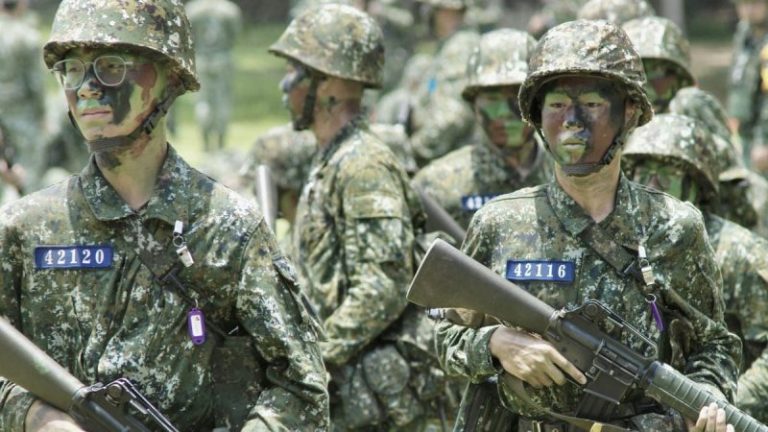
From drone swarms to gene-edited soldiers, the United States and China are racing to integrate artificial intelligence into nearly every facet of their war machines — and a potential conflict over Taiwan may be the world’s first real test of who holds the technological edge.

For millennia, victory in war was determined by manpower, firepower and the grit of battlefield commanders. However, in this ongoing technological revolution, algorithms and autonomy may matter more than conventional arms. 

‘War will come down to who has the best AI,’ said Arnie Bellini, a tech entrepreneur and defense investor, in an interview with Fox News Digital. 

U.S. planners now consider Taiwan the likely locus of a 21st-century great power conflict. Though America doesn’t formally ally with Taiwan, it has steadily armed the island and shifted its forces to focus on the Indo-Pacific. 

The Pentagon is responding with urgency, and nowhere is that transformation more visible than in the U.S. Army’s sweeping AI overhaul. 

The Army goes all-in: $36 billion AI investment

Under Defense Secretary Pete Hegseth’s leadership, the Army has launched a $36 billion modernization initiative aimed directly at countering China in the Indo-Pacific.

By 2026, each of its 10 active combat divisions will be equipped with roughly 1,000 drones, dramatically shifting the battlefield from crewed helicopters to autonomous systems.

Army leaders highlight that legacy weapons and bureaucratic lag are incompatible with future warfare. The new push includes AI-assisted command-and-control, real-world testing under challenging conditions in places like the Philippines and a rapid feedback model to keep doctrine updated.

Stopping wars before they start: Cyber + AI fusion

Beyond hardware, AI may prove most powerful in prevention. Bellini believes U.S. cyber espionage, combined with AI, could strike preemptively. ‘The United States is the very best at cyber espionage and cyber warfare… once you combine [that] with AI, you can stop a war before it even happens.’

This could involve infiltrating Chinese naval systems via cyber-AI tools and neutralizing threats before ships ever set sail.

Biotech on the battlefield: From medics to gene editing

AI isn’t just about machines — it’s changing biology too. The U.S. military is exploring AI-driven trauma care, synthetic blood and regenerative medicine to save lives.

However, China may be pushing the envelope further. ‘China has been one of the more forward-leaning countries in using biotech within its military,’ defense strategist Jack Burnham said. ‘In military hospitals, there is significant research on gene editing … some of this might be dual-use.’

Reports from intelligence chiefs and former DNI John Ratcliffe suggest China may be experimenting with gene-edited soldiers, raising alarms about the ethical gray zone of AI-biotech integration.

Will robots fight battles?

‘The future of warfare is not going to be with people,’ Bellini predicted. ‘It’s going to be robots. It’s going to be drones. And it’s the synchronization.’

Tesla is developing its ‘Optimus’ robot, he noted, complete with an AI-optimized ‘brain’ to complete chores that are ‘dangerous, repetitive and boring’ in warehouses, homes and even hazardous facilities like nuclear plants.

CEO Elon Musk has spoken out against using Optimus as a ‘killer robot,’ but still, foreign adversaries worry about the potential for dual use. 

China has imposed export restrictions on the rare-earth magnets needed for Optimus actuators, specifically requesting assurances that the units won’t be used for military purposes.

War-gaming for tomorrow’s conflict

U.S. forces are already simulating this future in AI-enhanced war games. Through these exercises, commanders learn to operate at AI pace — modeling logistics, battlefield flows, and adversaries at an unprecedented scale.

‘AI is really good at modeling logistics… visualizing and integrating vast quantities of data… [creating] a more immersive experience at a much larger scale,’ Burnham said.

‘These AI opponents are like intelligent enemies you’re playing against in a war game,’ explained Dr. Randall Hill, executive director of the University of Southern California’s Institute for Creative Technologies. ‘It’s important to train not just with AI but also about AI — so soldiers understand where to trust it and where its limits are.’

Hill’s team is developing tools like PAL3, a personalized AI teaching assistant for military trainees that adapts to individual learning speeds. ‘It’s about helping both humans and machines understand each other’s strengths and weaknesses,’ he said.

Ethical concerns: Who keeps a human in the loop?

The U.S. insists on a ‘human-in-the-loop’ for lethal AI decisions — but China may not, experts warn.

‘Here in the U.S., we are focused on ethical and legal decisions on the battlefield… our adversaries… might not be as worried about keeping a human in the loop,’ said RJ Blake, a former defense official.

Hill echoed this concern, emphasizing the need for AI systems to be interpretable and stress-tested rigorously.

‘We need protocols aligned with American values,’ he said. ‘The AI must be explainable and capable of justifying its conclusions — and humans must recognize when those systems are outside their trained boundaries.’

A new era of warfare

As AI redefines warfare — from cyber and command systems to autonomous weapons and biotech — it’s not just a war machine being built. It’s a system of systems, blending digital, physical and biological domains.

Should Beijing move against Taiwan, the battlefield may no longer be measured in tanks or missiles — but in algorithms, networks and gene sequences.

This post appeared first on FOX NEWS

Orange juice prices could rise by 20% to 25%, according to Johanna Foods, a small U.S. business suing the White House over tariffs threatened against Brazil.

President Donald Trump said in a July 9 letter to President Luiz Inacio Lula da Silva that he would apply a 50% tariff to all imports from Brazil starting Aug. 1.

Trump said the high tariff rate was necessary because of ‘the way Brazil has treated former President Bolsonaro.’

Prosecutors in Brazil have alleged that Bolsonaro was part of a scheme that included a plan to assassinate the country’s current president, who defeated him in the last election, and Supreme Federal Court Justice Alexandre de Moraes. Bolsonaro has denied any wrongdoing.

Trump also said Brazil was censoring U.S.-based social media platforms and was running “unsustainable Trade Deficits” with the United States.

However, the United States has a goods trade surplus with Brazil — more than $7 billion last year, according to data from the Office of the U.S. Trade Representative.

Johanna Foods, which says it supplies nearly 75% of all private label “not from concentrate” orange juice to customers in the U.S., says those arguments do not constitute an economic emergency and therefore the president does not have the power to levy this tariff.

“The Brazil Letter does not refer to any legal or statutory authority under which the Brazil Tariff can be imposed by the President,” the company’s attorney Marc Kaplin writes in a filing.

“The Brazil Letter does not constitute a proper executive action, is not an Executive Order, does not reference or incorporate any Executive Orders or modify or amend any existing Executive Order,” the attorney continued.

The company said some of its customers include Walmart, Aldi, Wegman’s, Safeway and Albertsons.

Johanna Foods CEO Robert Facchina said the duty would result in an estimated $68 million hit, exceeding any single year of profits since the company was created in 1995.

“The Brazil Tariff will result in a significant, and perhaps prohibitive, price increase in a staple American breakfast food,” the lawsuit reads.

“The not from concentrate orange juice ingredients imported from Brazil are not reasonably available from any supplier in the United States in sufficient quantity or quality to meet the Plaintiffs’ production needs.”

Orange juice prices have already been rising across the country. Over the last year, the average price of a 16-ounce container rose 23 cents, or more than 5%, to $4.49, according to the Bureau of Labor Statistics.

Orange juice futures, the global benchmark that tracks the commodity, have also jumped recently. During the last month, they are up nearly 40%, with most of that increase coming on the heels of Trump’s threat.

Brazil’s Supreme Court ruled last month that social media companies can be held accountable for the content posted on their platforms. Elon Musk’s social media site, X, was also briefly banned last year in Brazil after Musk refused to comply with a court request to ban some accounts.

Facchina says layoffs of union manufacturing employees, administrative staff and a reduced production capacity at the company’s Flemington, New Jersey, and Spokane, Washington, facilities are near-certain should these tariffs go into effect. Johanna Foods employs almost 700 people across Washington state and New Jersey.

Brazil was the 18th-largest source of U.S. goods imports last year, with more than $42 billion worth of imports entering the country, according to U.S. International Trade Commission data.

In its legal filing, the company asks the Court of International Trade to declare that the International Emergency Economic Powers Act does not grant Trump the statutory authority to impose the tariffs against Brazil, and that the president has not identified a national emergency or “unusual and extraordinary threat” as required by the IEEPA law to impose the tariffs.

In response to the lawsuit, a White House spokesperson said the administration is ‘legally and fairly using tariff powers that have been granted to the executive branch by the Constitution and Congress to level the playing field for American workers and safeguard our national security.”

This post appeared first on NBC NEWS


Radiopharm Theranostics (ASX:RAD,OTC:RDPTF, ‘Radiopharm’ or the ‘Company’), a clinical-stage biopharmaceutical company focused on developing innovative oncology radiopharmaceuticals for areas of high unmet medical need, is pleased to announce the appointment of Dr Oliver Sartor, MD to the Company’s Scientific Advisory Board (SAB).


Dr Sartor is an internationally recognised medical oncologist and scientist specialising in prostate cancer and radiopharmaceutical therapies. He currently serves as Director of Radiopharmaceutical Clinical Trials and Chair of the Genitourinary Cancer Disease Group at the world-renowned Mayo Clinic, in Rochester, Minnesota. He was previously Laborde Professor of Medicine and Urology and Medical Director of Tulane Cancer Center in New Orleans under Tulane University School of Medicine.


Dr Sartor has also held senior roles at LSU Health Sciences Center, Dana‑Farber/Harvard Medical School, and as Medical Oncology Co‑Chair of the GU Committee of NRG Oncology.


Dr Sartor received his MD with honours from Tulane University School of Medicine in 1982, completed internal medicine residency at Tulane, and a medical oncology fellowship at the National Cancer Institute (NCI).


Since 1990 he has focused on prostate cancer clinical research, authoring more than 500 peer‑reviewed publications and leading multiple pivotal Phase 3 trials that resulted in FDA approvals for therapies including samarium‑153 EDTMP, cabazitaxel, radium‑223, and PSMA‑targeted radioligand therapy.


‘Dr Sartor brings an unparalleled depth of expertise in both clinical translation and radiopharmaceutical therapies,’ said Riccardo Canevari, Managing Director and CEO of Radiopharm Theranostics. ‘We’re very honoured to welcome him to our SAB. His insight and leadership will be invaluable as we advance our radiopharmaceutical pipeline.’


  About Radiopharm Theranostics  


 Radiopharm Theranostics is a clinical stage radiotherapeutics company developing a world-class platform of innovative radiopharmaceutical products for diagnostic and therapeutic applications in areas of high unmet medical need. Radiopharm is listed on ASX (RAD) and on NASDAQ (RADX). The company has a pipeline of distinct and highly differentiated platform technologies spanning peptides, small molecules and monoclonal antibodies for use in cancer. The clinical program includes one Phase 2 and three Phase 1 trials in a variety of solid tumor cancers including lung, breast, and brain metastases. Learn more at radiopharmtheranostics.com.


  Authorized on behalf of the Radiopharm Theranostics Board of Directors by Executive Chairman Paul Hopper.  


  For more information:  


  Investors:  
Riccardo Canevari
CEO & Managing Director
P: +1 862 309 0293
E: rc@radiopharmtheranostics.com


Anne Marie Fields
Precision AQ
(Formerly Stern IR)
E: annemarie.fields@precisionaq.com


  Media:  
Matt Wright
NWR Communications
P: +61 451 896 420
E: matt@nwrcommunications.com.au


  Follow Radiopharm Theranostics:  


Website – https://radiopharmtheranostics.com/  
Twitter – https://twitter.com/TeamRadiopharm  
Linked In – https://www.linkedin.com/company/radiopharm-theranostics/  
InvestorHub – https://investorhub.radiopharmtheranostics.com/


News Provided by GlobeNewswire via QuoteMedia

This post appeared first on investingnews.com